In a bold pivot, Microsoft is re-evaluating its Xbox Game Pass pricing strategy following a controversial 50% increase that left gamers reeling. While the subscription service once promised an extensive library of games for a low monthly fee, the recent uptick in costs raised questions about its long-term viability. The company is now responding by moderating those prices, but the future implications of this adjustment extend far beyond the numbers.
Microsoft's Journey with Game Pass
The Xbox Game Pass has played a pivotal role in Microsoft's gaming strategy since its inception. Launched in beta in 2017 and fully rolled out in 2019, it began as a gateway for gamers to access a diverse library of new and older titles for a competitive fee—initially $10 for PC-only access and $15 for both Xbox and PC users. As the service gained traction, Microsoft committed significant resources to expanding Game Pass, including gobbling up industry giants like Activision-Blizzard and Bethesda for approximately $100 billion. This acquisition spree aimed to reinforce Game Pass as the definitive gaming platform across devices, from consoles to laptops, and potentially even phones.
Microsoft's aggressive strategy, however, faced backlash when it escalated Game Pass prices, with the Ultimate tier skyrocketing to $30 by late 2025 amidst an overall tightening on gaming expenditures. While Microsoft provided an extensive catalog of games, its pricing model began alienating subscribers who once saw Game Pass as a bargain in the competitive gaming market.
The Price Reversal: Implications for Gamers
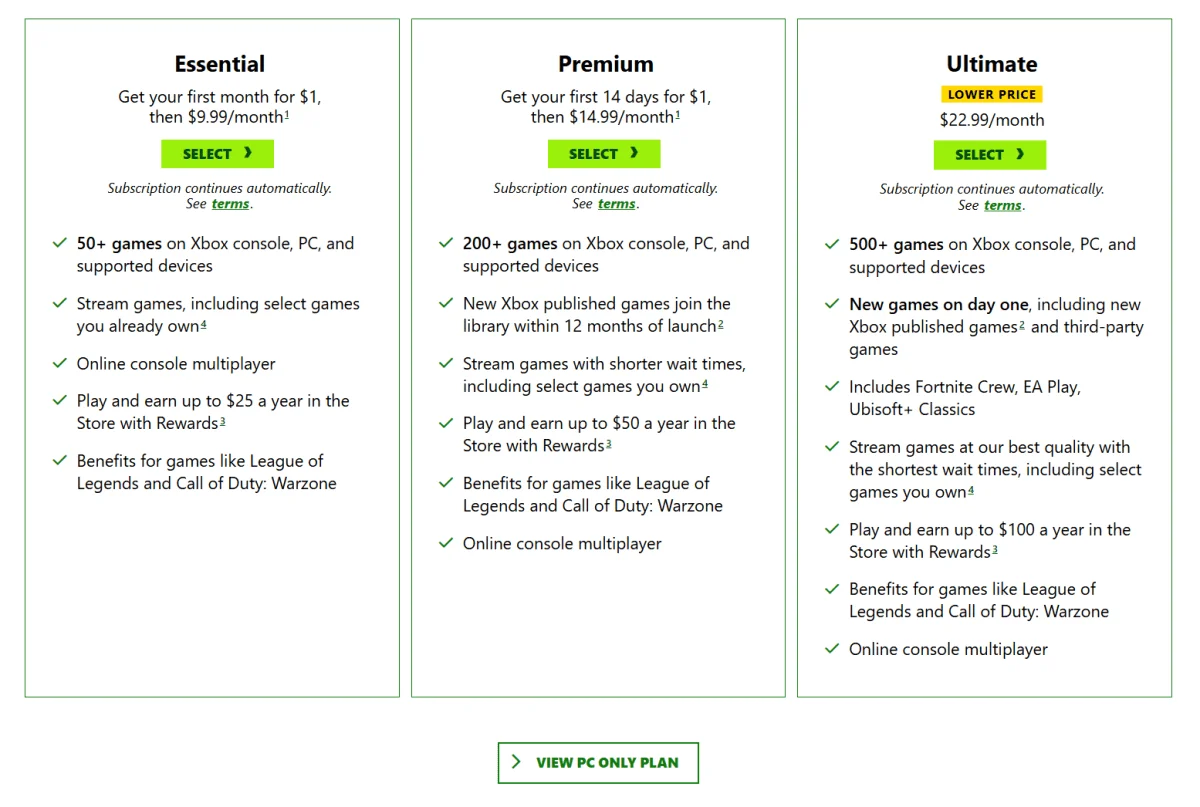
Phil Spencer's departure as CEO of Xbox marked a turning point, leading to Asha Sharma stepping into the role during a critical phase. Her acknowledgment of the price hikes—specifically noting that Game Pass had become "too expensive"—has resulted in a more tempered subscription fee. The Ultimate plan has been adjusted to $22.99, bringing it back to a more moderate level, yet it still lingers above the previous $20 mark from earlier in 2025. Other tiers are also available, including a $14 PC-only plan and an entry-level version for $10 that restricts streaming access.
Microsoft
The cost adjustments are a step in the right direction, yet the loss of high-profile titles like the Call of Duty series raises significant questions. Historically, newer releases in this franchise have been a significant draw for Game Pass subscribers looking for value. While the existing library remains intact, not having the latest Call of Duty on launch day could drive casual gamers away, potentially impacting subscriber retention. Game Pass now competes not just with each other’s pricing models, but also with the value offered by access to blockbuster games.
Strategizing Recovery: Suggestions Ahead
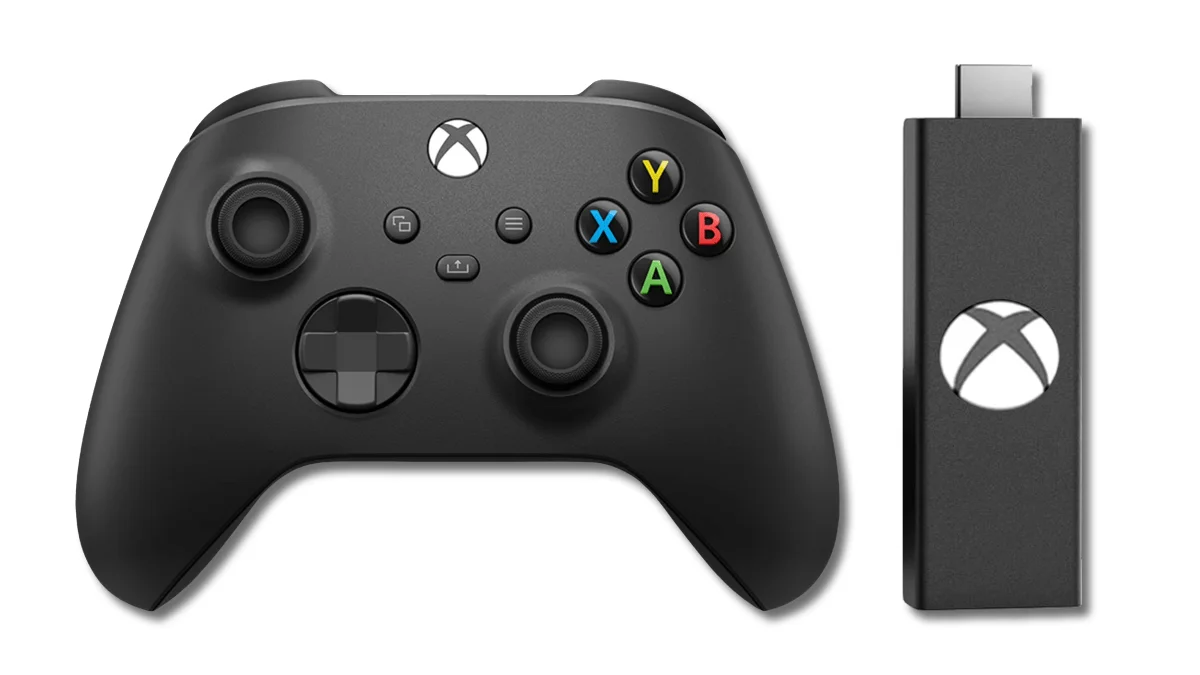
The current gaming environment indicates a need for more than just revised pricing; it demands innovative outreach to both existing and potential subscribers. One concept that could be transformative for Microsoft is bundling subscriptions with affordable devices, similar to offers seen with streaming services. Postulate a scenario whereby a year's subscription to Xbox Game Pass comes with a low-cost streaming device that allows access on any television. This could democratize gaming access for users who cannot afford the latest consoles, thereby expanding Microsoft's market by capturing non-console gamers.
Microsoft/Amazon
What if Microsoft offered an "Xbox Pass Edition" that could leverage the existing Game Pass subscription but equipped consumers with a basic streaming stick? This model could encourage subscribers who previously hesitated to commit a significant upfront investment in a console to enter the ecosystem. The prospect here isn’t just about selling consoles; it’s potentially about building a thriving gamer community around subscriptions, leading to increased lifetime value per user.
Ultimately, Microsoft needs to adopt a more flexible strategy to adapt to a rapidly changing market landscape. With gamers more conscious of their entertainment expenses, a combination of strategic partnerships, insightful pricing structures, and expanded device accessibility could set the stage for a resurgence in the Game Pass framework—making it competitive once more and possibly re-establishing its position as the best value in gaming.