As small and medium-sized businesses grapple with the challenges of rapid growth and increased competition, the integration of AI technologies is becoming a critical differentiator. Google Cloud's Gemini Enterprise is emerging as a pivotal player in this space, enabling SMBs to harness AI in ways that were previously accessible only to larger organizations. What’s striking is the speed at which these companies are adopting these tools to automate tasks, enhance customer engagement, and ultimately transform their operational frameworks.
The Power of Gemini Enterprise
Across diverse industries, Gemini Enterprise is promoting a paradigm shift. Its design prioritizes accessibility, making sophisticated AI capabilities available not just to technical teams but to all employees, which is a significant shift in how organizations approach AI integration. Companies utilize this platform to build customized AI solutions tailored to their specific needs, addressing unique business challenges efficiently and effectively.
Real-World Applications and Impact
The impact of Gemini Enterprise is tangible, with numerous SMBs already reaping the benefits of its advanced tools. For instance, Apex Leaders, a U.S.-based business services firm, has implemented an internal search engine powered by Gemini, allowing consultants to quickly access data sources and automate content creation. This not only streamlines workflows but also improves the accuracy and speed of information retrieval.
Similarly, ARCHINERGY, an architecture firm, is employing Gemini to create an AI agent capable of quickly answering design queries, resulting in faster decision-making processes. Such applications highlight a trend: SMBs are increasingly looking to technology to enhance their service delivery and operational efficiency rather than merely to cut costs.
Global Success Stories
Companies spanning various geographies are also leveraging Gemini Enterprise in notable and innovative ways. For example, Constructora Las Galias, a construction firm in Colombia, utilizes the platform for centralized knowledge management, which helps streamline both legal and sales workflows. This capability not only facilitates immediate access to vital information but also enhances collaboration within their teams.
Grant Thornton Chile, another case in point, uses Gemini for agile management and efficient data validation processes. This enables standardized operations across their auditing and consulting services. These examples illustrate that irrespective of size or location, businesses are finding new pathways to success with AI.
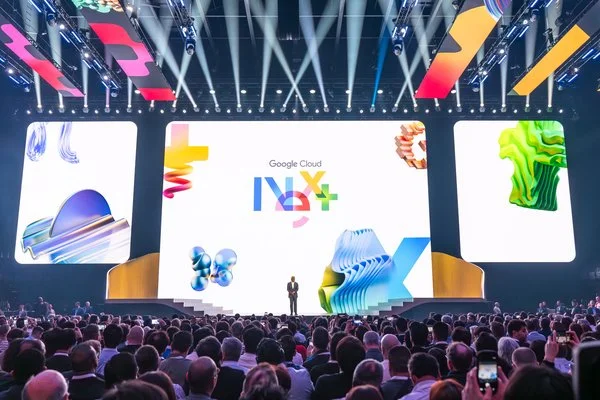
Preparing for the AI Future at Google Cloud Next '26
The upcoming Google Cloud Next ’26 event promises to deepen the conversation around AI for SMBs. It will showcase strategies and provide resources tailored for small IT teams looking to optimize their operations in the AI landscape. Sessions will cover essential topics, such as cost-effective AI deployment and low-code application development, crucial for leveraging limited resources effectively.
Attendees will also find focused tracks on adaptive security, responding to the growing need for robust defense mechanisms amidst rising cybersecurity threats. This is particularly vital as small businesses often lack the extensive resources that larger counterparts can afford for security measures.
Resources for SMBs
For SMBs unable to attend Next ’26, Google offers online resources to help maintain momentum in their AI journeys. The 'AI Starter Kit' provides a straightforward guide for deploying AI at scale, enabling teams to develop strategies that fit their unique contexts. Moreover, subscribing to their monthly AI newsletter can ensure businesses stay abreast of relevant updates and industry trends—another layer of engagement with the evolving AI narrative.
Conclusions and Forward-Looking Thoughts
It's evident that the landscape for SMBs is shifting, driven by AI capabilities that enable far-reaching changes in how they operate and compete. Google's Gemini Enterprise is at the forefront, with enhanced tools allowing businesses of all sizes to innovate and improve efficiency. The instinct may be to see this solely as a cost-saving measure, but the broader implication is transformative: SMBs are positioning themselves to harness data as an asset, creating new value propositions and competitive advantages.
As the AI narrative unfolds, the businesses that adapt and embrace these tools will not only survive but thrive in an increasingly complex market. For those working in the tech space, the key takeaway is this: the integration of AI isn’t merely an upgrade to existing systems; it's about reimagining how work gets done, enhancing the customer experience, and ultimately driving sustainable growth.