As connectivity continues to be the lifeline for remote workers, travelers, and adventurers alike, the significance of portable Wi-Fi devices has never been clearer. While once regarded as a disposable luxury, pocket Wi-Fi solutions are rapidly evolving into essential tools for maintaining uninterrupted internet access. The recent user experiences with devices like the Solis Edge 5G hotspot highlight this shift, showcasing both the advantages and limitations of relying on such technology in various environments.
The Reality of Coverage: Not All Networks Are Created Equal
The myth of ubiquitous mobile coverage can lead to illusions of dependability, particularly in rugged or remote areas. A user's anecdote underscores this point; despite T-Mobile's claim of 99% national coverage, the mountains where they reside rendered their smartphone practically useless—a stark reminder that numbers on a map don't always translate to real-world reliability. In densely populated urban areas, there’s an irony at play as well: you could be standing right next to a cell tower and still find your connection dropping in and out. This inconsistency is often due to physical barriers like tall buildings or heavy traffic, which can interfere with signals.
Moreover, the choice of carrier can greatly impact performance. Some networks prioritize data speed in densely populated regions, while others might focus on broader coverage. Such discrepancies highlight the importance for users to consider both their geographical needs and the specific use cases for their devices. For someone working remotely, misjudging this element could lead to frustration and interruptions.
Performance Insights: Solis Edge 5G vs. Smartphone Speed
The Solis Edge 5G hotspot may be marketed as a modern solution for those seeking reliable Wi-Fi on-the-go, but practical testing reveals a mixed bag. In a situation where traditional cellular reception failed, the device connected to an AT&T network, delivering 17.79 Mbps down and 3.83 Mbps up. These figures, while decent in some contexts, highlight a stark reality: smartphones continue to maintain an edge. When pitted against an iPhone's performance under the same conditions, the hotspot underperformed significantly. The iPhone consistently outpaced the Solis Edge, achieving download speeds upward of 76 Mbps. This showcases not only the device-specific variances but also raises questions about what exactly we’re looking for in portable internet solutions.
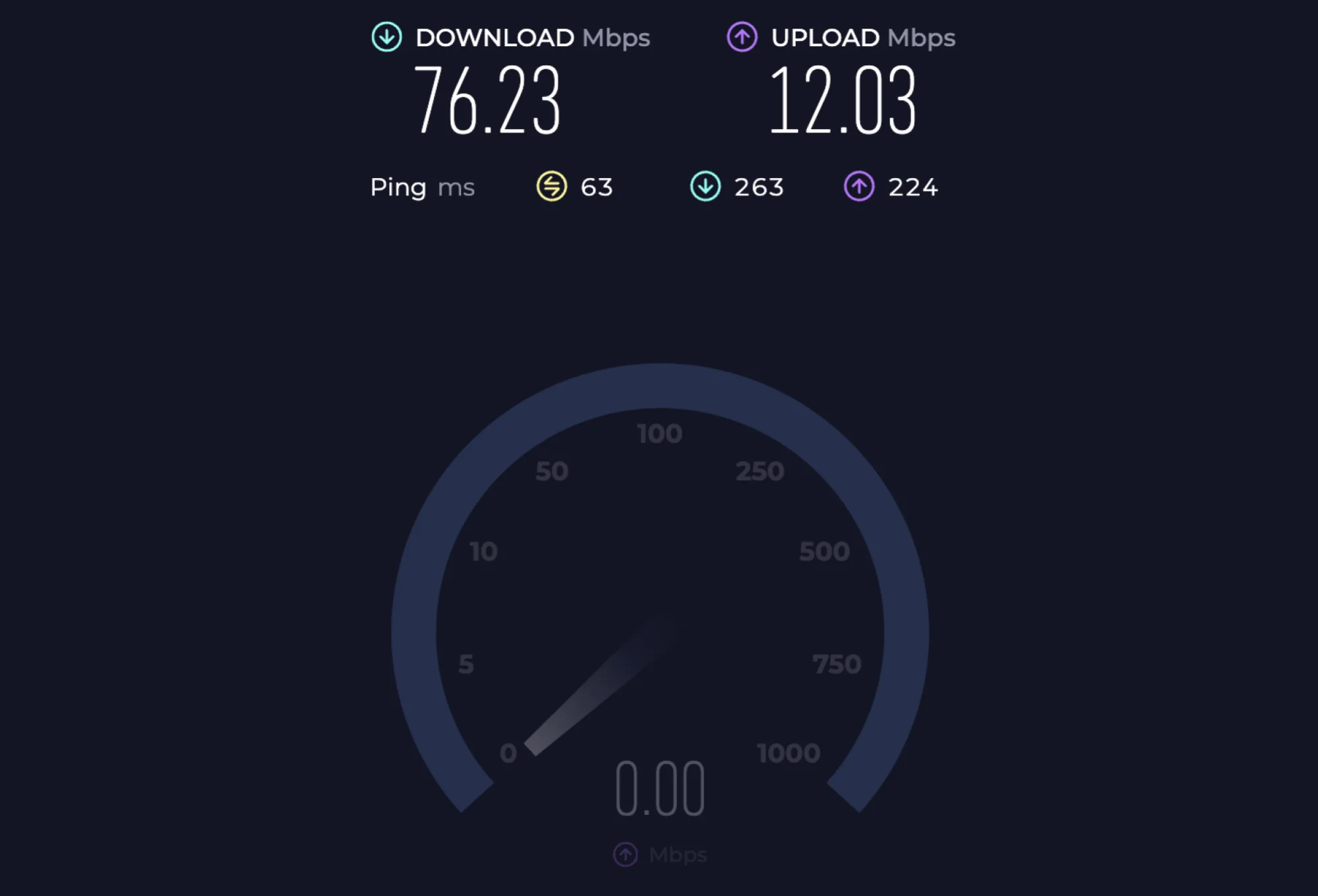
This split performance might surprise many users who expect dedicated hotspots to outshine smartphones purely based on their designation. (And this is the part most people overlook.) Factors like device age, network congestion, and even the current load each device is handling can play crucial roles in determining speed. If you're working in this space, understanding that context can save you from investing in a product that may not meet your expectations.
The Value Proposition of Pocket Wi-Fi
For frequent international travelers, pocket Wi-Fi devices like the Solis Edge offer significant advantages. With claims of connectivity in over 140 countries, they simplify the often stressful task of finding reliable internet in foreign locales. Instant access to maps, email, and social media can ease your travel anxiety and open up possibilities. However, this coverage comes with caveats, particularly concerning data allowances.
For instance, the Solis Edge includes a modest 1 GB of free data each month. This small data cap means that access is convenient but needs to be strategic. Users will likely find themselves balancing between essential tasks—such as navigation or urgent communications—and the limitations imposed by their data plan. It's a trade-off that could be frustrating, given the global dependence on constant connectivity. From personal experience, planning ahead becomes critical; when you know your data limits, you can source out Wi-Fi hotspots in advance or invest in additional data when needed. The overarching takeaway? While these devices can be incredibly useful, they do require a certain type of user mindset and planning to maximize their potential.
Improving Your Wi-Fi Speeds: Tips and Tricks
If you want to unlock better speed performance from your pocket Wi-Fi, consider tweaking connection settings. Ensuring that the device is actually utilizing its 5G capabilities is vital; many devices default to lower frequencies that can hamper throughput. To get the best out of your hotspot, you'll want to check the settings to confirm it's connected appropriately. It’s also crucial to consider how many devices are connected simultaneously, as network demand can significantly throttle overall speed.
Another tactic might involve positioning the device strategically; being close to windows or high ground can optimize signal strength. If your usage often approaches your data limits, speed management is essential to avoid slowdowns once caps are hit. Simple adjustments can make a huge difference in user experience, yet many overlook these foundational tweaks when troubleshooting. That said, a little bit of effort here could translate to significantly enhanced performance.
The Bottom Line: Are Portable Hotspots Worth It?
In an age marked by digital dependency, maintaining a reliable internet connection can make or break your productivity and peace of mind. For professionals or frequent travelers, a portable Wi-Fi hotspot can be invaluable—providing connectivity in situations where traditional methods fail. However, awareness of their limitations is key. While portable hotspots like the Solis Edge may offer convenience, it’s essential to approach them with realistic expectations about performance and coverage.
Implications and Future Outlook
The future of portable Wi-Fi devices seems poised for growth, yet inherent challenges remain. As new technologies roll out, including advancements in 5G and beyond, we could see improved device capabilities and broader network coverage. That said, looming questions about data caps and connectivity reliability will persist. If nothing changes in data policies, users will find themselves constantly juggling between convenience and cost—an unsatisfactory trade-off.
In summary, with sufficient preparation and the right expectations, pocket Wi-Fi devices like the Solis Edge could very well become indispensable travel companions for the savvy modern user. Nevertheless, paying close attention to both their advantages and limitations will determine how firmly they embed themselves in the tools we choose to rely on.