Must-Explore Media After 'Squid Game': Books, Movies, Games, and Podcasts
Immerse yourself in a selection of thought-provoking media that captures the essence of the stark themes presented in 'Squid Game'.
Artificial intelligence and machine learning news
Immerse yourself in a selection of thought-provoking media that captures the essence of the stark themes presented in 'Squid Game'.
Kubernetes v1.36 is set for release at the end of April 2026, bringing notable removals and deprecations along with a wealth of enhancements designed to improve functionality and user experience. Discover the key features included in this update.
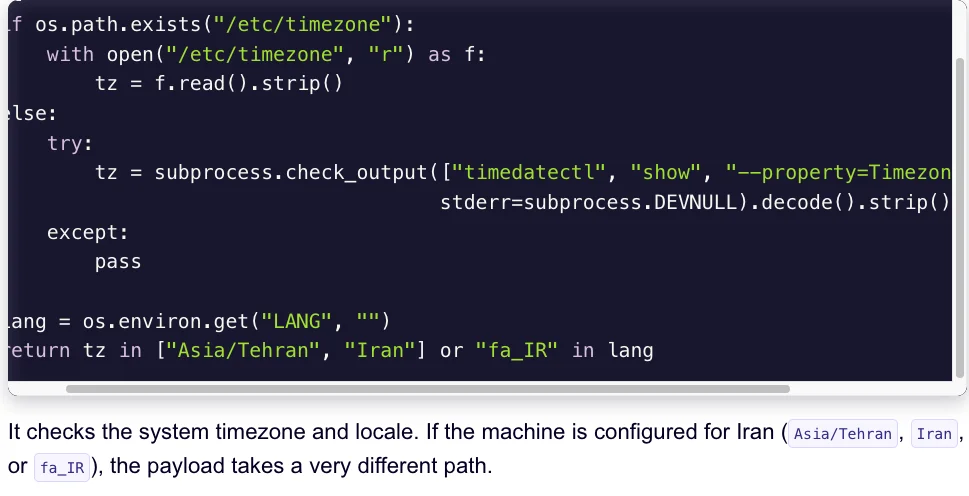
A financially driven cybercrime group has launched a worm targeting Iran, exploiting weak cloud service security to spread and erase data on compromised systems.
As Ingress-NGINX approaches its retirement in March 2026, organizations must navigate the transition to Gateway API, making strategic choices to enhance their Kubernetes networking experience.
Artificial intelligence's architecture is evolving, moving from transient interactions to persistent operations. By utilizing Agent Sandbox on Kubernetes, developers can enhance agent management, permitting more dynamic and stateful engagement with AI models.
The Kubernetes image promoter, kpromo, efficiently transfers container images from staging to production on registry.k8s.io, ensuring they are securely signed with cosign and replicated as needed.
Microsoft Corp. has released security updates addressing 77 vulnerabilities across its Windows operating systems and additional software, with no immediate "zero-day" threats present this month.
The Kubernetes community features various Special Interest Groups (SIGs) and Working Groups (WGs) that foster dialogue on key topics. Today, we are...
In January 2026, KrebsOnSecurity highlighted how a security researcher uncovered a vulnerability exploited to create Kimwolf, the largest and most impactful botnet globally. This revelation underscores the evolving landscape of cybersecurity threats and the critical need for proactive defenses against such innovations.
The new conversion formula streamlines the transition from cgroup v1 CPU shares to cgroup v2 CPU weight, improving CPU priority allocation and optimizing resource management for better performance.
Cluster API facilitates effective Kubernetes cluster lifecycle management by enabling users and platform teams to specify their desired cluster state while using controllers to ensure ongoing alignment with that state.
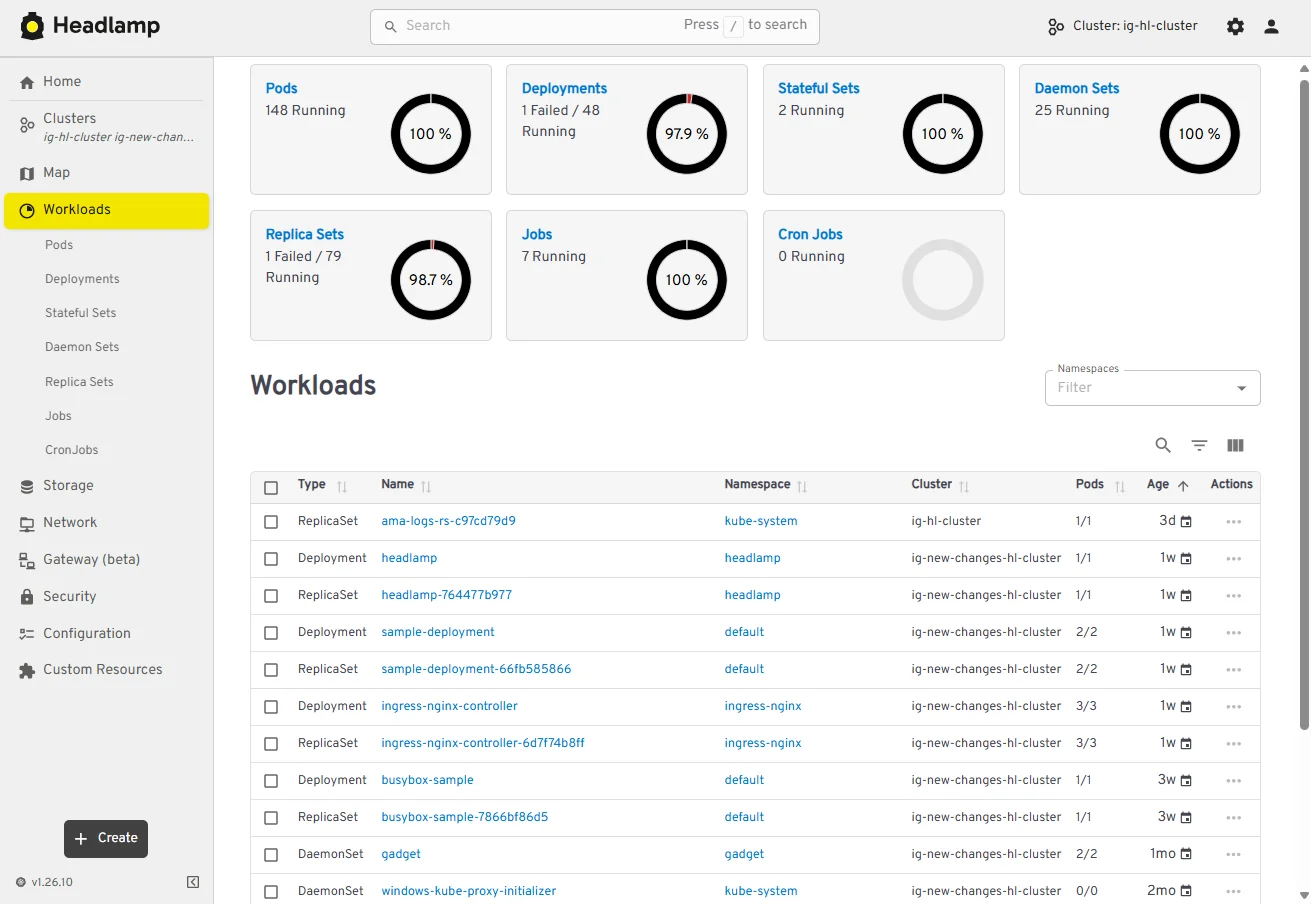
This update highlights significant advancements in Headlamp throughout 2025, showcasing its expansion to support more teams across various platforms and enhancing performance.
Discover how to enhance your Kubernetes API interactions by developing a command line client that integrates with clientcmd, making your tool compatible as a kubectl plugin.
The PersistentVolume node affinity API, established in Kubernetes v1.10, allows for nuanced control over volume accessibility among nodes in a cluster. The latest upgrade in v1.35 introduces improvements to enhance its functionality.
Kubernetes v1.35 introduces improvements to how service account tokens are handled for CSI drivers, building on the TokenRequests feature to streamline token usage and enhance security during operations.
The latest Kubernetes v1.35 release enhances the management of mixed node environments by allowing extended toleration operators that support numeric comparisons. This update enables platform teams to better balance costs and reliability across on-demand and spot/preemptible nodes, ensuring critical workloads run efficiently.
Kubernetes 1.35 brings a highly anticipated feature that allows for a complete in-place restart of Pods, improving resource management and operational efficiency. This enhancement streamlines workflows for developers and system administrators alike.
The latest Kubernetes update optimizes the scheduling process by enabling workload-aware scheduling, allowing users to manage large workloads more effectively by considering all Pods collectively rather than individually, enhancing overall system efficiency.
The v1.35 release of Kubernetes introduces the stable kubelet configuration drop-in directory, enhancing kubelet configuration management efficiency and enabling easier customizations for users.
This article emphasizes the importance of upgrading to etcd v3.5.26 or newer prior to transitioning to v3.6, which safeguards against the presence of zombie cluster members and maintains cluster stability.